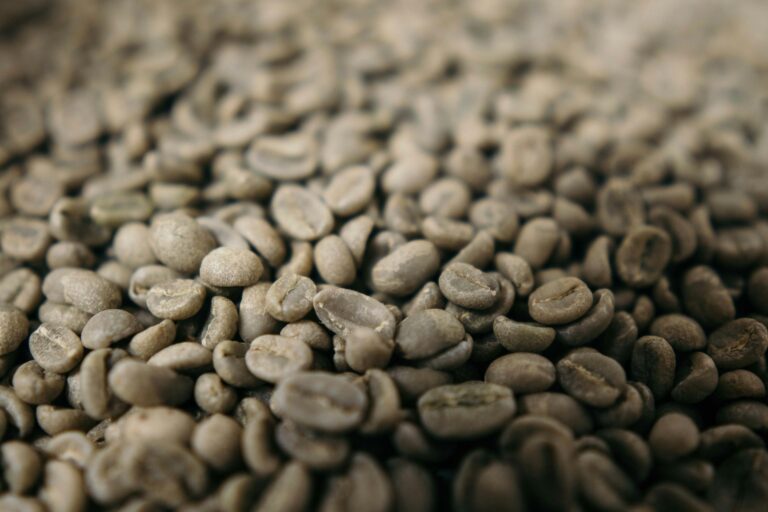
Where to Buy Green Coffee Beans (and Why)
If you’ve ever wanted to roast coffee at home, there are a few things you need to figure out. How to roast them, what style
When people think of mold, they usually think of either rotting food or water damage in their home. These types of mold are visible to the human eye and often come with a certain smell that lets you know something is wrong. But when mold first starts forming, it’s actually invisible and odorless.
In fact, traces of mold are often found in things we consume every day, and we don’t even know it. You may think you’re drinking a cup of mold free coffee, but the beans used to brew it may have had some mold spores on them.
It’s understandable that you might find this alarming. After all, mold is unhealthy, right?
The truth is more complicated. As specialty coffee roasters, we know how important coffee bean purity is to the final product. We also have people on our team with certain food sensitivities who are personally affected by mold and other impurities.
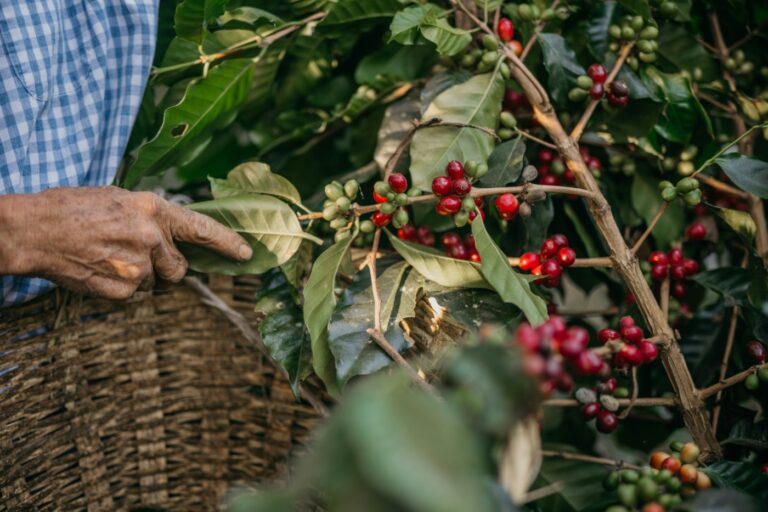
That’s why we strive to only source beans from reputable farms that follow ethical coffee standards. We also take extra steps in our own roasting process to ensure our beans are kept as pure and uncontaminated as possible.
But before we get into that, let’s get a better understanding of what mold is, how dangerous it can be, and why “mold free coffee” might be false advertising.
It’s time to put on our lab coats and talk science for a minute as we answer the question:
What is mold?
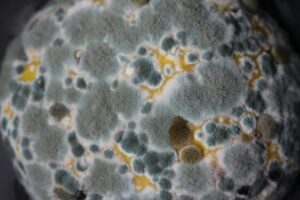 Molds are a type of fungi. While people often use “mold” as an umbrella term, there are as many as 300,000 types of mold. Regardless of type, they thrive in damp and dark locations. Mold spores float throughout the air around us. When they find a damp, organic surface, they land and start multiplying.
As mold groups together, it becomes visible to the human eye. However, mold can initially be present without being visible at all. In fact, degrees of mold are generally all around you, especially in areas where it’s cool and moist.
Don’t be alarmed just yet. Though mold is generally seen as being unhealthy, this isn’t always the case. After all, mold is used to produce the antibiotic penicillin. Certain cheeses and cured meats are also made with mold.
Now, before you go and eat that piece of slightly moldy bread, there are a few more things you need to understand.
Some people are more sensitive to mold than others. A person with mold allergies can experience coughing, itching, general irritation and more when exposed to even relatively minor traces of mold. This includes mold found on walls or in ventilation, as well as molds found in foods.
If a person has a mold allergy and asthma, the presence of mold can be outright dangerous. This is especially true for children. While medications can help manage mold sensitivities, it’s best to be proactive. This includes having your home inspected and ensuring your food is fresh.
Even if you don’t have a mold allergy, you should be mindful of the presence of mold. Why?
We’ve all heard the phrase “where there’s smoke, there’s fire.”
Well, where there’s mold, there’s often more…dangerous, unhealthy things. It’s not as catchy, we know. But it’s true.
Mold can produce something called mycotoxins. Mycotoxins (which literally means poisonous fungus) can cause disease and even death at high volumes. Like all fungi, mycotoxins thrive in places that are damp, dark, and poorly ventilated. Unfortunately, places where foods like coffee and grain are stored tend to be dark and poorly ventilated.
Should moisture levels get too high, contaminants can start to form. But mycotoxins aren’t the only thing that might be hiding in your food.
If something is developing mold, there’s a good chance that bacteria is also present. Bacteria are single-celled organisms that remain invisible to the human eye. There are likely millions of different types of bacteria, and like mold, most of these are not dangerous.
In fact, there are bacteria in your body right now. However, the bad types of bacteria can be very bad. When ingested, harmful bacteria can cause nausea, vomiting, diarrhea, and more. This is another reason why you should never eat something that’s visibly moldy, even if you cut the moldy part off.
Because where there’s visible mold, there is likely harmful bacteria. That’s a better saying.
If mold and bacteria pose health risks, than the solution would seem to be to avoid all mold and bacteria. All you need to do is buy mold free coffee and other mold free foods, right? Unfortunately, that’s not really possible. There are trace amounts of mold, mycotoxins, and even bacteria in things we regularly consume.
And yes, that includes coffee.
Recent studies found the following:
Does this mean that as many as 1 in 3 cups of coffee are potentially poisonous? No.
First, mold and mycotoxins found in green coffee beans are generally reduced (if not removed altogether) during the roasting process.
Second (and more importantly), mycotoxins are only dangerous above a certain threshold. Your liver actually processes mycotoxins, which means they don’t build up over time.
The key is that mycotoxins are kept below a certain threshold when consumed. And there’s goods for coffee drinkers. A study conducted under the Food Safety Modernization Act failed to find any US coffee that was above the safety threshold for mycotoxins.
Does that mean you should go ahead and drink any coffee without concern for your personal health? Not necessarily….
Though more dangerous elements like mycotoxins aren’t a concern for coffee found in the US, the presence of mold still can be. As we said before, some people are much more sensitive to mold than others. In fact, as many as 10% of people in the US have a mold allergy.
 For these people, even trace amounts of mold can cause irritation and other negative symptoms, especially when consumed regularly and in large quantities. In other words, the more sensitive you are and the more coffee you consume, the more likely you are to experience negative side effects from potentially unhealthy coffee.
So the solution is to buy mold free coffee, right?
Unfortunately, it’s essentially impossible to make that claim.
If you see a coffee brand advertising 100% mold free coffee, you should be very skeptical. Much like any crop, even when all the proper protocols are followed, there’s a chance that traces of mold will develop. Whether it’s during initial storage, transportation, and even when it’ still growing, mold spores can land on the moist, organic surface of the beans and took root.
Does this mean that people will mold allergies should give up on coffee altogether? Absolutely not.
While it might not be possible to guarantee mold free coffee, there are actions that can be taken to greatly reduce the presence and likelihood of mold. The studies we shared earlier focusing on mycotoxins in coffee were largely focused on green (unroasted) coffee beans.
These same studies found that the roasting process greatly reduced the presence of mycotoxins. In fact, the FSMA study showed that roasting reduces mycotoxin levels by as much as 50%.
All of this factors into why each part of the coffee process is so important.
Coffee Origins
It starts with the beans themselves. There’s a thing called a coffee score. This is a worldwide system that ranks coffee beans based on the following:
It’s the fourth dimension that’s particularly important when it comes to purity. The higher a particular coffee’s score is, the lower the presence of mold, mycotoxins, and other contaminants is.
Equally important is the roasting process itself. This includes who roasts it, how it’s roasted, and when it’s roasted. Large commodity coffee often sits in warehouses for long periods before roasting. Sometimes for months or even years. During that time, environmental conditions can affect quality and increase the chances of contaminants entering the picture.
Once it is roasted, these companies do so in massive quantities where quality is harder to monitor and consistency is more difficult to maintain.
When it comes to consistent and clean roasting, it’s best done in small, fresh batches. And that’s how we do it at Brew North Roasters.
At Brew North Roasters, we know how frustrating and inconsistent it can be to buy coffee beans online. That’s part of why we started sourcing and roasting our own coffee. We wanted to help people find bags of coffee where the last cup is as good as the first. Where the fifth bag you order tastes the same as the first bag you order.
This requires a carefully crafted approach from start to finish.
At Brew North Roasters, we work to source beans from farms that prioritize:
We only use beans that are originally scored at 80 or above. This allows us to ensure that the beans we use remain clean, vibrant, and full of the natural flavors that make specialty coffee so remarkable.
From there, we roast in small batches that are shipped fresh to our facilities. Fresh roasting helps preserve the clarity, sweetness, and smooth finish that great coffee should deliver.
By focusing on organically sourced beans, thoughtful roasting, and transparency in our sourcing relationships, we aim to offer coffee that you can feel confident about drinking every day. We don’t make empty marketing promises like “mold free coffee” or being in the “top 1%” of coffee scoring.
Instead, we simply focus on delivering a variety of delicious, clean, organically-sourced roasts that you can take with you on all of life’s adventures.
If you’ve ever wanted to roast coffee at home, there are a few things you need to figure out. How to roast them, what style
The phrase ethical coffee has become increasingly common in recent years. But is it just another empty buzzword like “being in the top 1% of
Since launching last year, Sneaky Beans has quickly become a fan-favorite at Brew North Roasters. This medium-blend roast has a little something for everyone with