
Where to Buy Green Coffee Beans (and Why)
If you’ve ever wanted to roast coffee at home, there are a few things you need to figure out. How to roast them, what style
The phrase ethical coffee has become increasingly common in recent years. But is it just another empty buzzword like “being in the top 1% of coffee”? Or are there serious problems at the heart of the coffee world that need to be addressed?
(Spoiler alert: ethnical coffee is not an empty buzzword.)
For two-thirds of US adults, coffee is an important part of life. Whether we realize it or not, it often plays a critical part in our own stories. It may be the thing that kicks off your first day at a new job. Maybe it’s at the center of a first date that leads to a life-long relationship. Or it may simply be the perfect excuse to step back from all the chaos and clear your head.
But before the coffee ever reached you, it had its own story involving countless other people. Unfortunately, that story isn’t always a happy one.
For too long, coffee has been grown by underpaid workers under poor working conditions using methods that take a serious toll on the environment. The ethical coffee movement is looking to change this. But before we can change, we need to understand the problem.
It starts with coffee farmers and the wages they’re being paid.
Coffee has fueled economies for centuries. As it’s grown in global popularity, however, the coffee economy has become increasingly lopsided and exploitative. Part of this stems from where coffee is grown. Coffee can only be grown in specific environments. Most of these environments happen to be in developing countries where economic instability, political corruption, and limited worker protections make exploitation far too common.
Imagine you’re a coffee farmer in a foreign country. Your country is small, and your coffee must be exported in order for you to make any sort of profit. The problem is, your country’s government has a backroom deal with a specific coffee exporter that you must go through. This coffee exporter pays bottom-tier prices, as they have their own agreements with commercial roasting companies across the world.
The exporter needs to maximize their own profits while staying competitive in a market that has generally been a race to the bottom.
As the coffee farmer, you have no choice but to go through this one coffee exporter. The government provides no protection or oversite, leaving you to sell your coffee at a rate that barely covers expenses.
Every year, the costs for fertilizer, equipment, transportation, and labor have steadily increases, while the global price of coffee remains relatively stagnant. Ultimately, you’re stuck continuing, hoping things get better the next year.
Sadly, this is only one example of exploitation in the coffee farming industry.
In some coffee-growing regions, child labor continues to be used during planting and harvesting seasons. Other workers have become trapped in cycles of debt bondage, where transportation, housing, or recruitment fees leave them owing more money than they can realistically repay. Some laborers have been trafficked into agricultural work, receiving little or no compensation while working in dangerous conditions.
On top of that, exposure to harmful pesticides, inadequate sanitation, unsafe drinking water, and long hours in difficult environments remain ongoing concerns in many areas.
These issues don’t exist because coffee farmers lack skill or work ethic. In fact, growing exceptional coffee requires tremendous knowledge, patience, and dedication. Rather, these problems stem from a global supply chain that has historically prioritized keeping coffee inexpensive over ensuring the people producing it can earn a living wage.
And if you think these are problems of the past, think again.
As recent as 2016, Nestle was found using beans from Brazilian plantations that utilized slave labor. Even in Hawaii, one of the few US areas where coffee is grown, the US Department of Labor found that workers were usually exploited, undocumented immigrants being paid under minimum wage.
Though this isn’t exclusive to coffee, the point still stands: coffee farmers continually being taken advantage of, resulting in coffee that’s far from ethical filling up store shelves in the US.
Thankfully, things have started to change in recent years.
Over the past two decades, consumers have become far more interested in where their food comes from. They’ve also become more aware of the horrible conditions many coffee farmers operate in. This growing awareness has led to increased pressure on coffee exporters, distributors, and roasters.
And that pressure is producing promising results.
Over the last decade, studies show that farmers operating under fair trade policies have been earning 17% more than farmers in unregulated markets.
This year, the International Labour Organization (ILO) partnered with JDE Peet’s to launch the FAIR COFFEE Project. This program is designed to fight wage exploitation, child labor, and unsafe conditions across coffee industries in Brazil, Columbia, and Mexico.
Meanwhile, ethical coffee roasters (like Brew North Roasters) are making sure they know exactly where their coffee comes from. Not just a vague geographical region, but the specific farmlands and the farmers who grow it. It’s not about checking an “ethical coffee” box. It’s about building relationships and telling a better story.
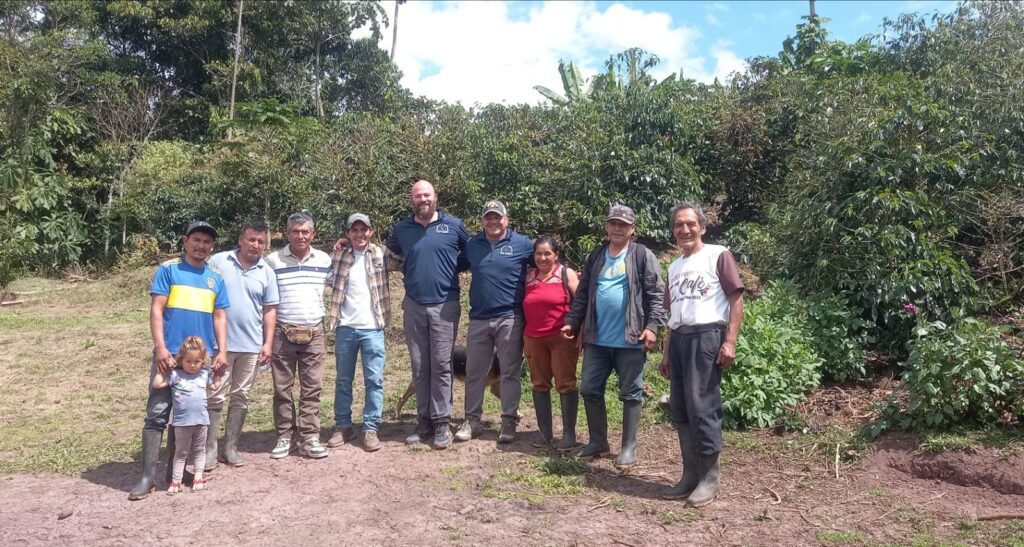
That’s why last year, our founder Matt went to Peru to see just how our coffee is processed and who grows it. He met the farmers, visited the Cooperatives, and the people behind the scenes. To this day he has zoom calls once a month to stay up to date on all things coffee as well as maintaining this friendship. This resulted in our wonderful line-up of Peruvian coffee (which you can find here) that’s helping build a positive story of ethical coffee.
While things are changing, we still have a long way to go in creating a sustainable future for coffee.
The good news is that consumers have far more influence than they often realize. Every bag of coffee purchased sends a message about the type of coffee industry we want to support.
 One of the simplest ways to make a difference is to buy from roasters that openly discuss where their coffee comes from. Ethical coffee companies should be able to tell the story behind their beans, including the farms or cooperatives they partner with and the sourcing practices they follow.
Transparency builds trust.
Knowing exactly where your coffee was grown helps create accountability throughout the supply chain.
If you’re looking to buy coffee online, it’s critical that you do a little research first:
Do they talk about their relationships with farmers?
Do they invest in sustainable growing practices?
Do they emphasize long-term partnerships rather than simply offering the lowest possible prices?
These are often stronger indicators of ethical coffee than flashy marketing claims.
Consumers can also help by recognizing that exceptional coffee has real value. When coffee is sold at impossibly low prices, someone in the supply chain is usually absorbing the cost. More often than not, that burden falls on the farmers.
We know that money is tight for a lot of people right now, but when it comes to coffee, it’s almost always worth paying a little extra.
When you’re purchasing from an ethical coffee company, this cost helps create a healthier marketplace where quality, sustainability, and human dignity matter alongside affordability. On top of that, ethically-sourced coffee is just better.
When coffee farmers are treated and trained well, and they’re operating in maintained working conditions, they product better tasting coffee. When it comes to ethical coffee, we all win.
As a Midwest coffee company with roots in Iowa and Minnesota, farming is very important to us. Our team grew up on and around farms, and we have friends and family members who are likely working the land as you read this. We know how much the market and consumer habits can impact them, regardless of how hard they work or how well they do their job.
That’s why we knew we had to do right by coffee farmers when we started this company.
From the beginning, we have worked exclusively with coffee importers that emphasized transparency and tracible origins. With every bag of ethically-sourced coffee we sell, we know we’re helping support farmers in Peru, Guatemala , Ethiopia, Brazil, and beyond. We believe this makes our coffee better, not only because of its quality taste, but because it tells a better story.
If you’d like to be a part of that story, make sure to visit our shop here and find your new favorite roast.
Stay grounded. Support a positive future for coffee.
If you’ve ever wanted to roast coffee at home, there are a few things you need to figure out. How to roast them, what style
Since launching last year, Sneaky Beans has quickly become a fan-favorite at Brew North Roasters. This medium-blend roast has a little something for everyone with
Coffee has never been bigger. According to a study from 2024, American coffee consumption is up nearly 40% over the last 20 years. But it’s