Where to Buy Green Coffee Beans (and Why)
If you’ve ever wanted to roast coffee at home, there are a few things you need to figure out. How to roast them, what style
Coffee has never been bigger. According to a study from 2024, American coffee consumption is up nearly 40% over the last 20 years. But it’s not just that people are drinking more coffee. They’re drinking better, ethically-sourced coffee. And more often than not, they’re making it themselves using more advanced methods like French press and pour overs.
But some are taking it even further by roasting coffee at home all by themselves.
Twenty years ago, the thought of roasting your own coffee beans might have sounded crazy. Today, however, it’s actually much more accessible than many realize. That’s not to say it’s easy to roast consistent, high-quality coffee.
There is trial and error. You will certainly waste entire batches of coffee. But with the right direction (and equipment), you can indeed start roasting coffee at home. How do you do that?
First, let’s answer an important question…
No. You can absolutely start roasting coffee at home without buying a dedicated coffee roaster.
In fact, many home roasters get their start using equipment they already have in their kitchen or garage. While these methods require a more hands-on approach, they offer an affordable way to learn how coffee changes throughout the roasting process.
Before investing hundreds or even thousands of dollars into a roasting machine, it may be worth experimenting with one of these methods first:
One of the biggest advantages of roasting coffee at home without a dedicated roaster is affordability. Most of these methods cost very little to try, and many people already have the necessary equipment in their kitchen. It’s an accessible way to learn the basics before investing in specialized gear.
It’s also a great way to better understand the roasting process. By managing the roast yourself, you’ll gain a deeper appreciation for how heat, time, and technique shape the final flavor of your coffee. For many enthusiasts, that hands-on experience is part of the fun.
The biggest downside to roasting coffee at home without a dedicated roaster is consistency. It can be difficult to produce the same results from batch to batch, and without precise temperature control, there’s a greater risk of uneven roasting or scorching the beans. These methods also tend to create more smoke and chaff while limiting you to smaller batch sizes.
While roasting coffee at home is accessible, there is a learning curve. Expect a few disappointing batches as you learn the process. That’s perfectly normal. In fact, it’s part of the fun.
Because when you get that first batch that isn’t terrible, the journey makes it taste even better. How do you get to that point? It starts with the beans.
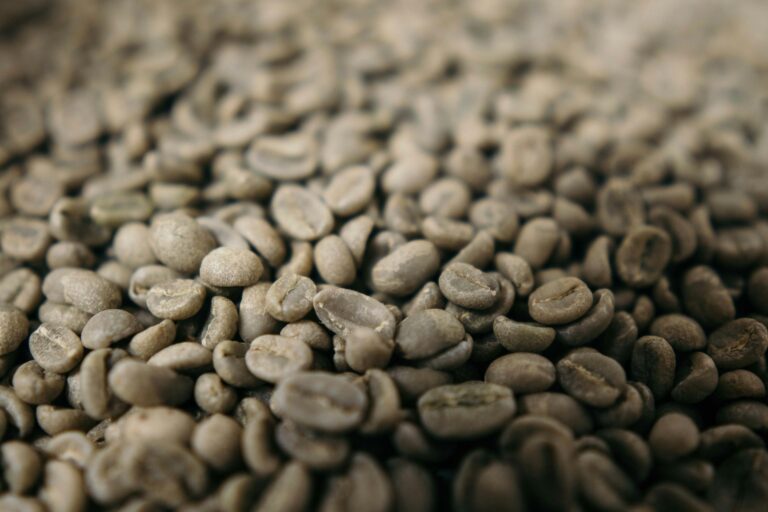
The answer is simple: green coffee beans.
 Despite the name, green coffee beans aren’t vegetables, and they don’t actually look very green. They are simply coffee beans that haven’t been roasted yet.
When coffee is harvested, processed, and dried, it remains in its raw state until roasting. This is where all the flavor potential lives. The roast level you choose ultimately determines whether those beans develop notes of chocolate, nuts, fruit, caramel, or countless other flavor characteristics.
Not all green coffee is created equal, however.
Just like roasted coffee, the quality of the beans matters. Factors like origin, elevation, processing method, and farming practices all influence the final cup. Starting with high-quality green coffee gives you a much better chance of producing coffee you’ll actually enjoy drinking.
For those interested in roasting coffee at home, sourcing quality beans is often more important than buying expensive equipment.
When roasting coffee at home, the quality of your green coffee beans matters just as much as the equipment you use. Even the most advanced roaster can’t turn poor-quality beans into exceptional coffee.
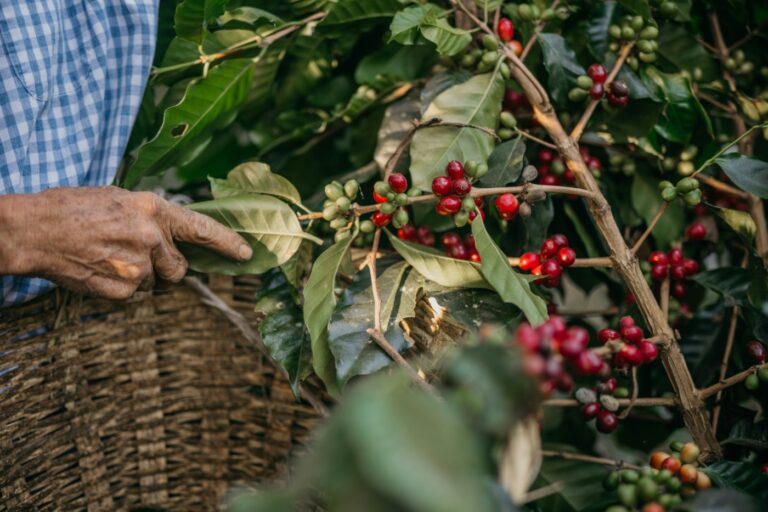
At Brew North Roasters, we believe great coffee starts at the source. That’s why we work with trusted suppliers who prioritize quality, sustainability, and ethical farming practices. Our goal has always been to provide coffee that not only tastes great but also supports the people and communities responsible for growing it.
While green coffee beans aren’t currently listed in our online store, we do offer access to the same high-quality, ethically sourced beans we use for our own roasting operations. Whether you’re just getting started with roasting coffee at home or looking for a dependable source of premium green coffee, we’re happy to discuss available options and help you find beans that fit your goals.
Just visit our contact page here to get started.
And if you’d like to learn more about how to roast your own coffee, keep reading…
At its core, roasting coffee at home is the process of applying heat to green coffee beans and carefully guiding their transformation into the coffee we know and love.
As the beans roast, moisture is removed and a series of chemical reactions begin to develop the aromas, flavors, and colors associated with coffee. The beans gradually change from green to yellow, then various shades of brown as sugars caramelize and flavor compounds form.
Throughout the roast, you’ll rely on your senses. Watch the color of the beans. Pay attention to the aromas. Listen for the distinct cracking sounds that signal major milestones in the roasting process. These cues help determine when to end the roast and what flavor profile you’ll ultimately create.
One of the most fascinating aspects of roasting coffee at home is seeing how dramatically the same coffee can change depending on the roast level. A lighter roast may highlight bright acidity and fruit-forward notes, while a darker roast often emphasizes chocolate, caramel, and roasted flavors. The bean itself hasn’t changed—only the way it’s been roasted.
Once you’ve reached your desired roast level, cool the beans as quickly as possible to stop the roasting process. Then allow them to rest for at least 24 hours before brewing. This resting period helps release excess carbon dioxide and often results in a smoother, more balanced cup.
One of the biggest advantages of roasting coffee at home is the ability to customize the flavor profile to your personal preferences.
There isn’t a universally “best” roast level. Different coffees respond differently to roasting, and personal preference plays a major role. Part of the fun of roasting coffee at home is experimenting with the same coffee at different roast levels and discovering which flavors you enjoy most.
And of course, there are blended roasts!
For example, a lighter roast might contribute bright, fruit-forward characteristics while a darker roast adds body, sweetness, or chocolate notes. When combined, these coffees can create a more balanced and complex cup than either roast could achieve on its own.
Home roasters can experiment with blending as well. Some blend different coffee origins together before roasting, while others roast each coffee separately and combine them afterward. Both approaches can produce unique results and open up even more possibilities when roasting coffee at home.
Like everything else in coffee, there are no strict rules. Whether you prefer light roasts, dark roasts, or carefully crafted blends, the goal is simply to create a cup you’ll look forward to drinking.
One of the best things about roasting coffee at home is that you can start at almost any budget.
If you’re simply curious about the hobby, consider:
These methods require more hands-on attention but allow you to learn the fundamentals without a major investment.
For those who want more consistency:
These machines offer better temperature control and are popular among serious hobbyists.
If you catch the roasting bug and want maximum control:
These systems provide detailed control over roast profiles and can produce results that rival many small commercial operations.
But remember: equipment is only part of the equation.
A premium roaster won’t magically transform mediocre beans into exceptional coffee. Starting with high-quality green coffee is one of the smartest investments you can make when roasting coffee at home.
The process can be frustrating at times. You’ll make mistakes. You’ll roast batches that don’t taste the way you hoped. Every home roaster has.
But that’s part of the journey.
With patience, practice, and quality beans, roasting coffee at home can become one of the most rewarding ways to connect with your daily cup. You gain a deeper appreciation for the craft, a better understanding of coffee’s origins, and perhaps most importantly, the satisfaction of creating something uniquely your own.
Whether you’re just getting started with roasting coffee at home or looking to grow your coffee business, Brew North Roasters is here to help.
While we don’t currently sell roasting equipment, we do offer access to the same high-quality, ethically sourced green coffee beans we use ourselves. We also provide consultation services for aspiring roasters, startups, and businesses looking for guidance on sourcing, roasting, and operations.
If you’d rather leave the roasting to us, we offer both retail and wholesale coffee, along with custom roasting services for coffee shops and businesses seeking a unique coffee program.
No matter where you are on your coffee journey, we’re committed to helping people enjoy exceptional coffee while supporting ethical and sustainable practices throughout the industry.
Stay grounded.
If you’ve ever wanted to roast coffee at home, there are a few things you need to figure out. How to roast them, what style
The phrase ethical coffee has become increasingly common in recent years. But is it just another empty buzzword like “being in the top 1% of
Since launching last year, Sneaky Beans has quickly become a fan-favorite at Brew North Roasters. This medium-blend roast has a little something for everyone with